Do You Have to Have a Dessert Table at a Wedding?
No — a dessert table is not required at a wedding, but roughly 7 in 10 couples who skip one tell us afterward they wish they'd included some form of sweet spread beyond the cake. The question isn't really "required or not" — it's whether the format fits your guest count, your catering structure, and what you want the reception to feel like after dinner.
What Does a Wedding Dessert Spread Actually Add?
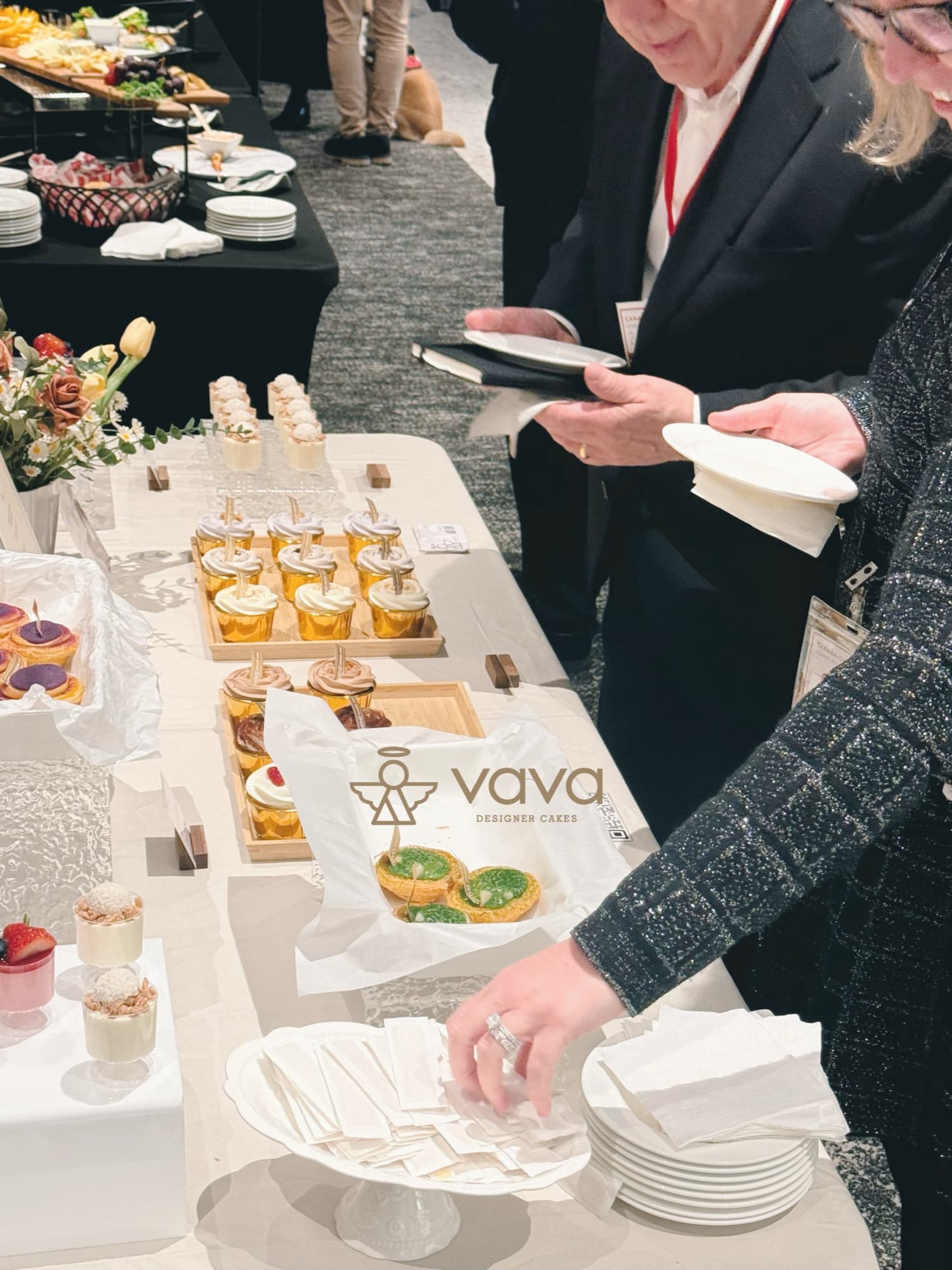
A wedding dessert spread does 3 distinct jobs that a single cake cannot: it keeps guests grazing during the post-dinner lull, it gives the room a styled focal point between the first dance and the send-off, and it handles the dietary variety that one cake flavour rarely covers. Couples with 80 or more guests almost always benefit from the format — one cake slice per person leaves no room for guests who want seconds, gluten-free alternatives, or something lighter than dense buttercream.
- Grazing window: dessert stations extend the post-dinner social hour naturally
- Dietary range: tarts, mousse cups, and macarons cover more restrictions than a single cake
- Styled focal point: a colour-matched table reads as intentional décor, not just food
- Guest experience: self-serve format keeps energy up without a formal second course
When Is a Dessert Table Genuinely Optional?
Honestly, there are 3 real scenarios where skipping a full dessert table makes complete sense. Guest counts under 40, a reception that ends before 9 p.m., or a cocktail-style format where dessert was woven into the passed-bite program — any of these changes the calculus significantly. The format is a tool, not a rule.
| Wedding format | Dessert table fit | What moves the decision |
|---|---|---|
| Seated dinner, 80–150 guests | Strong fit | Guest count, post-dinner lull length, dietary variety needed |
| Cocktail reception, 50–100 guests | Good fit (scaled down) | Whether passed desserts are already in the catering program |
| Micro-wedding, under 40 guests | Optional — cake-only works | Reception length, venue space, couple's preference |
| Afternoon tea / brunch format | Natural fit | Menu structure — desserts often replace a formal dinner course |
| Destination / elopement | Rarely practical | Logistics, guest count, venue catering constraints |
Do You Have to Have Dessert at a Wedding at All?
Technically no, but fewer than 5% of North American receptions skip sweet items entirely — and most guests notice when dessert is absent. The stronger question is what form dessert takes. A styled dessert table is one option; a single tiered cake is another; a plated dessert course is a third. Each serves a different reception rhythm.
Here's the thing: the Italian and Portuguese communities across the GTA — a huge segment of our client base in Vaughan, Woodbridge, and Mississauga — treat the sweet table as a cultural anchor, not an optional extra. For those events, skipping it would feel like skipping the first dance. Context matters enormously.
What Goes on a Wedding Dessert Table if You Do Have One?
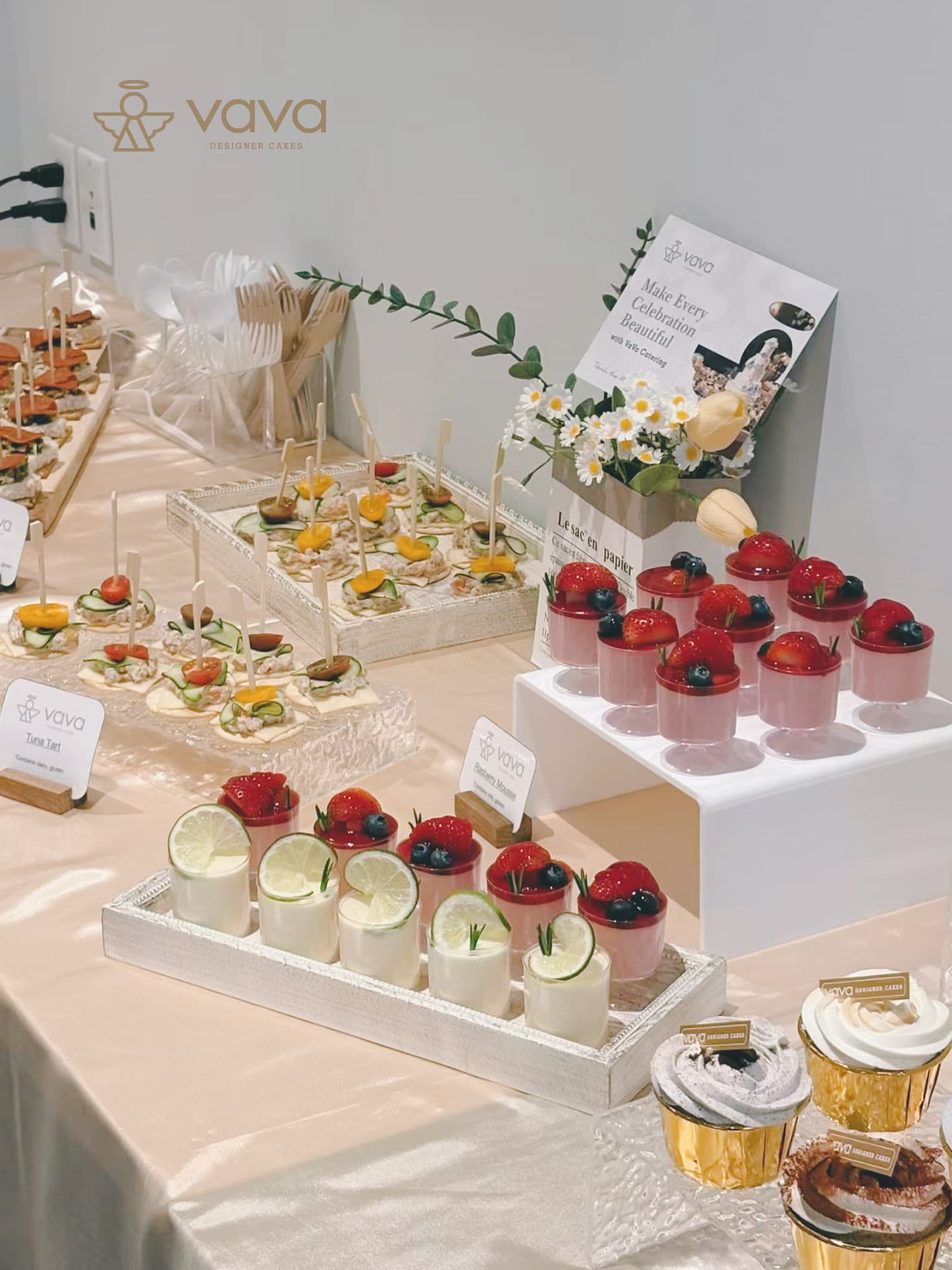
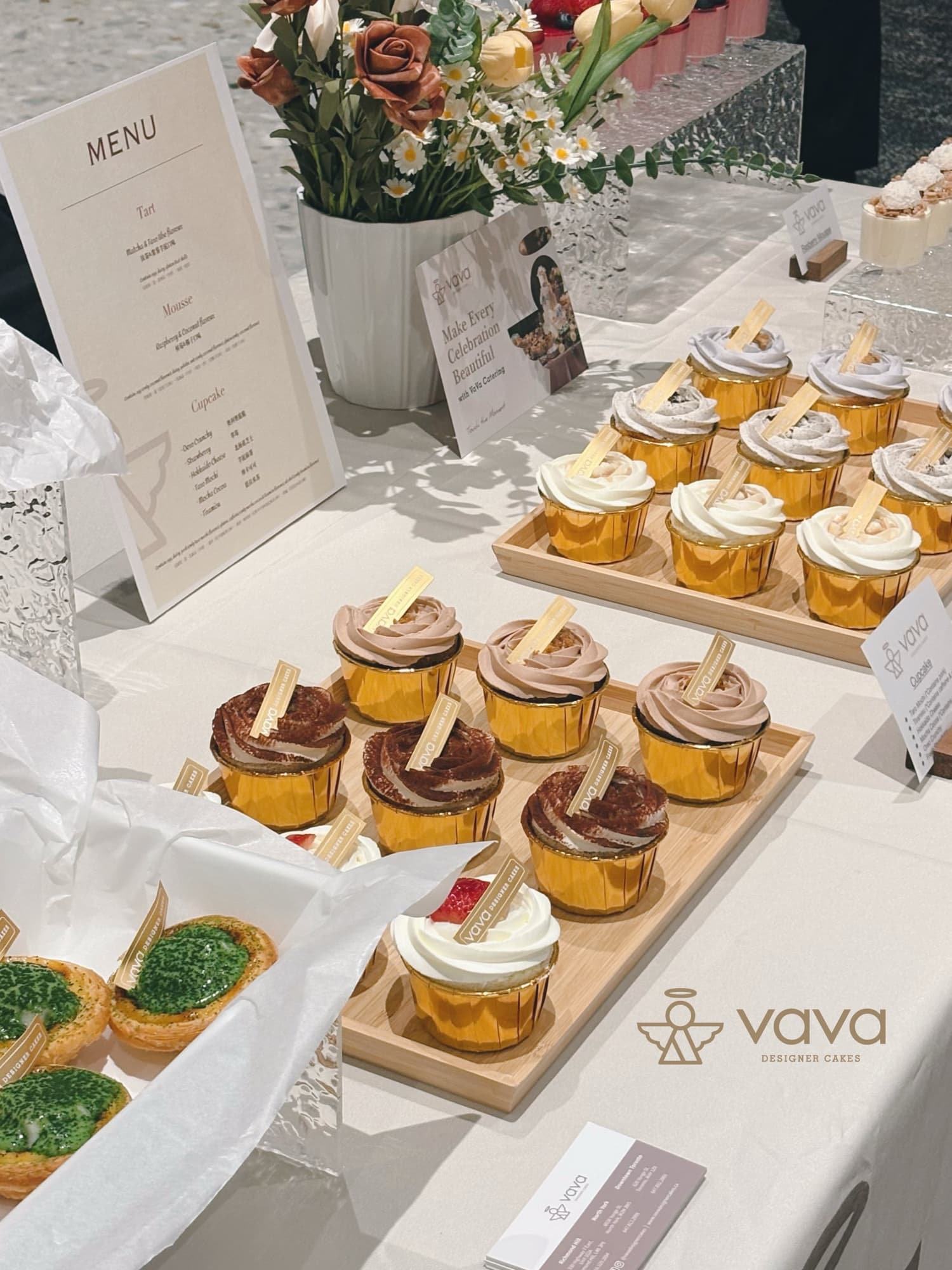
A well-built sweet table for a wedding typically carries 4–6 distinct item types so every guest finds something they want. The mix we use most often at Vava Dessert Tables runs something like this:
- Mini chiffon cakes — individual portions, easier to serve than sliced cake
- Macarons — colour-matched to the event palette, high visual impact
- Tarts — fruit or chocolate, handles guests who want something less sweet
- Mousse cups — portion-controlled, elegant, easy to eat standing
- Cookies or shortbread — crowd-pleasing, doubles as a take-home favour
- Seasonal feature item — strawberry mille-feuille in June, pumpkin spice tarts in October
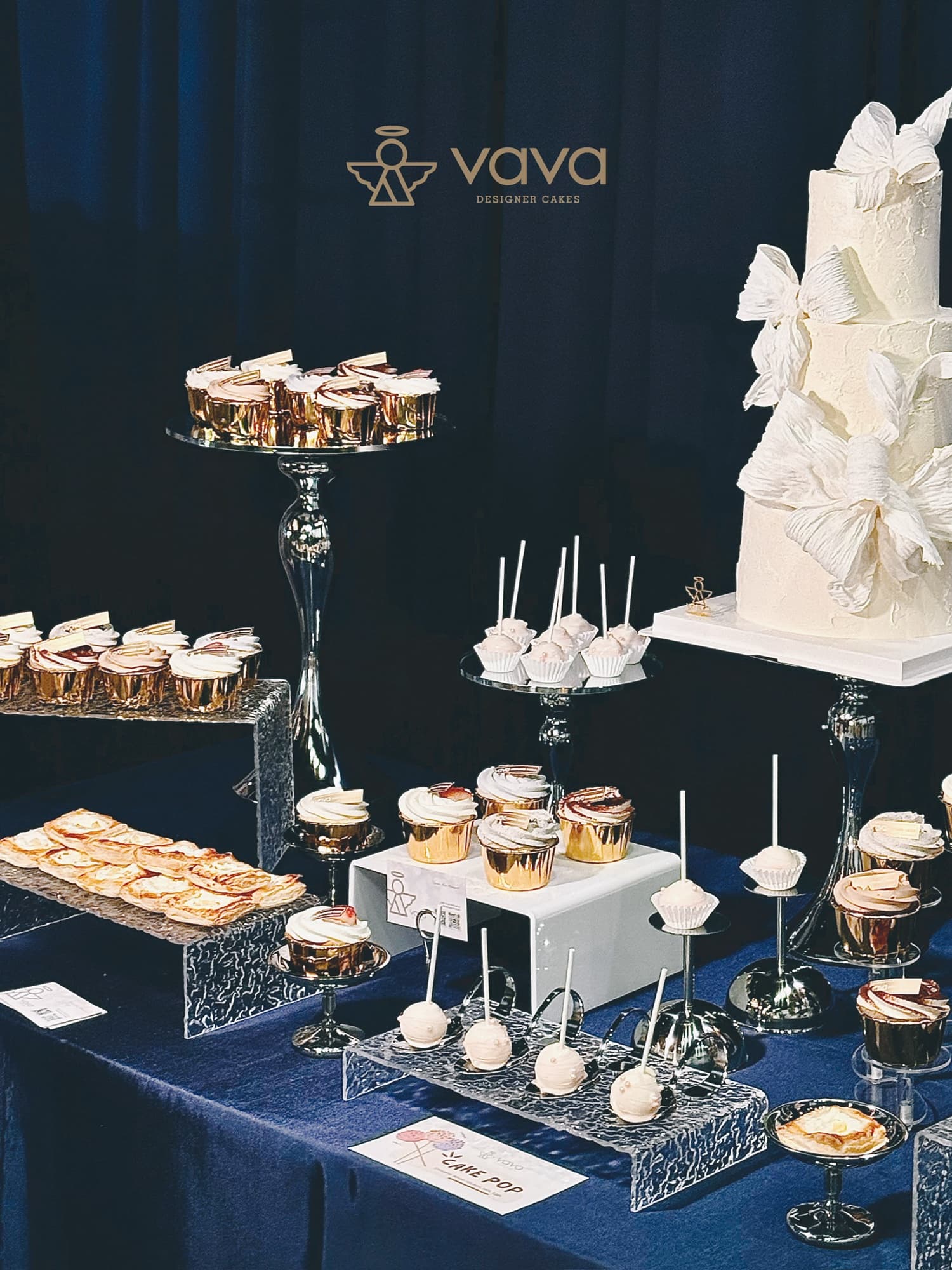
The whole spread is styled to the couple's palette — linens, risers, florals, and signage all colour-matched so it reads as part of the room design, not a catering afterthought. When the wedding cake comes from our sister brand VaVa Designer Cakes, the cake and the table are designed together as one cohesive moment, which makes a real visual difference in photos.
What Actually Drives the Quote for a Wedding Dessert Table?
A quote for dessert catering at a wedding is built in layers, and understanding those layers helps couples make smarter decisions about where to invest. No 2 events quote the same because the inputs are genuinely different every time.
- Guest count: the primary driver — more guests means more pieces, more risers, more setup time
- Item variety: 4 item types vs. 7 item types changes both ingredient cost and kitchen labour significantly
- Styling complexity: a full styled table with custom signage, fresh florals, and linen rentals adds to the total vs. a simpler presentation
- Delivery and setup: a venue in downtown Toronto vs. a property in King City affects travel and logistics time
- On-site service: having a team member present to refresh and re-style the table mid-reception is a separate line item — but it's the detail that keeps the table looking intentional at hour 3, not just hour 1
- Lead time: peak season bookings (May through October) that come in late may carry a rush premium
The best way to get an accurate number is to send us your guest count and event date — most quotes come back within 48 hours.
Things to Know Before You Decide
A few practical caveats that don't always come up in the initial planning conversation:
Lead time matters more than most couples expect. For May-through-October weddings in the GTA, we recommend booking 3–6 months ahead. Leaving it to 4 weeks out is possible for smaller orders, but variety depth and styling options narrow considerably.
Venue logistics affect the format. Some venues — particularly older banquet halls in North York and Scarborough — have limited table space near the dance floor, which is where a dessert table works best. Knowing your floor plan before you finalise the spread size saves a lot of back-and-forth.
The mid-reception refresh is underrated. One mistake couples make is setting up the table for cocktail hour and walking away. By the time dinner ends and guests return, the display looks picked over. Having someone on-site to reset the arrangement — consolidating pieces, adding fresh items, straightening the styling — keeps the table looking full and intentional throughout the night. It's a small detail that shows up clearly in reception photos.
Dietary labelling is not optional. Nut allergies, gluten sensitivities, and vegan requirements are common in any GTA guest list. Every item on a professional dessert table should be clearly labelled — it's both a hospitality standard and a practical safety measure.
DIY is harder than it looks. A question we hear regularly is whether couples can build their own dessert table to save money. For very small weddings — under 30 guests — it's manageable. For anything larger, the logistics of transporting, assembling, and styling a full spread while also getting ready for your own wedding tends to create more stress than savings.
If you're still weighing options, our wedding desserts page walks through the different formats we offer — from a single statement table to a multi-station dessert catering setup for larger receptions.
Frequently Asked Questions
- Is a dessert table cheaper than a wedding cake?
- Not necessarily — a full styled dessert table typically costs more than a single wedding cake because it covers more guests, more item types, and includes setup and styling labour. That said, it also replaces the need for plated dessert courses and can serve as both décor and food, which changes the value comparison significantly.
- Who gets food first at a wedding?
- At most GTA receptions, the wedding party and immediate family are served first during a seated dinner. For dessert tables and sweet stations, service is typically self-serve and open to all guests simultaneously — usually after the cake cutting, which signals that the dessert portion of the evening has begun.
- Do we have to have appetizers at a wedding?
- No — appetizers are conventional but not required. Cocktail-hour bites are standard at most full-evening receptions because they bridge the gap between guest arrival and dinner service. Skipping them works for shorter receptions or brunch formats where the timeline doesn't include a cocktail hour at all.
- What is usually served at a wedding?
- A typical GTA wedding includes a cocktail hour with passed appetizers, a plated or buffet dinner, a wedding cake as the centrepiece dessert, and increasingly a dessert table or sweet station featuring items like macarons, tarts, mousse cups, and mini cakes. Cultural background shapes the menu significantly — Italian and Portuguese receptions often feature elaborate sweet tables as a tradition.
- (common question we hear) How far in advance should I book a wedding dessert table?
- For peak season weddings between May and October in the GTA, booking 3–6 months ahead gives the most flexibility on variety, styling, and date availability. November through April bookings can often be confirmed 6–8 weeks out, though earlier is always better for custom colour-matched styling and specialty items.
Ready to figure out what format makes sense for your wedding? Reach out with your guest count and date and we'll put together a quote that fits your reception — whether that's a full colour-matched dessert table, a smaller sweet station, or a paired cake-and-dessert moment with VaVa Designer Cakes.